
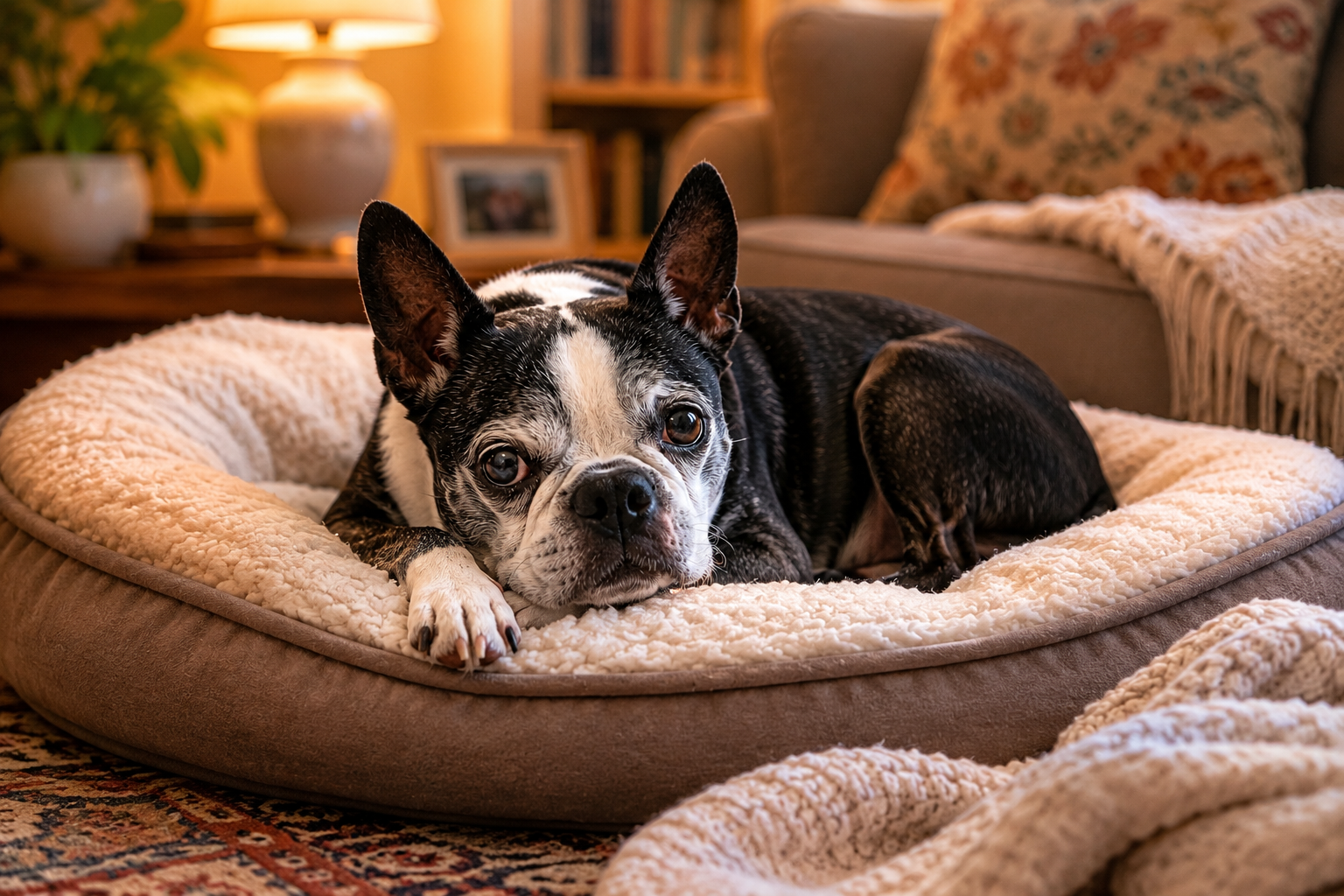
A dog with dementia may still be joyful, loving, and deeply connected to the person she trusts most. Cricket’s story is a tender example of that truth. At 15 years old, Cricket began showing signs of canine cognitive dysfunction, often called CCD. Her owner, Eileen Anderson, documented what daily life looked like when her happy little dog began to feel confused by familiar things.
Eileen is the author of Remember Me?: Loving and Caring for a Dog with Canine Cognitive Dysfunction. In her video of Cricket, she showed confusion, forgetfulness, disorientation, and other changes many senior-dog families eventually recognize. The video is gentle, but it is also honest. It helps families understand that dementia can change a dog’s patterns without taking away every spark of joy.
Cricket was not just a list of symptoms. She was still Cricket, and she still responded to love, food, routine, touch, and familiar comfort. That is why her story is so helpful for families walking this road with their own senior dogs.
Cricket’s Story
Cricket had been a happy, playful, loyal dog before CCD changed parts of her daily life. As she aged, she began doing things that seemed puzzling to the people who loved her. She could get stuck, forget where Eileen had gone, or seem confused by spaces she had known for years. These changes can be heartbreaking to watch, especially when the dog is still sweet and eager for connection.
One of the kindest things about Cricket’s story is that Eileen did not present her as hopeless. She showed the difficult parts, but she also showed Cricket’s good moments. That balance is important. Families caring for a dog with dementia need practical help, but they also need to remember to notice the happy moments that remain.
You can watch Cricket’s symptoms in Eileen Anderson’s video here:
Cricket’s canine cognitive dysfunction symptoms video
What Canine Cognitive Dysfunction Can Look Like
Canine cognitive dysfunction is often compared to dementia in people. And. like with people, each dog’s experience is different. It can affect memory, awareness, sleep patterns, interaction, housetraining, anxiety, and activity level. Most dogs show only mild changes at first, but they usually develop more noticeable confusion over time.
A veterinarian should always be involved when a senior dog begins acting confused, restless, forgetful, or unlike herself. Pain, vision loss, hearing loss, urinary problems, infection, anxiety, medication effects, and other medical concerns can look similar to CCD. Although CCD may be part of the explanation, it should not be assumed without a veterinary check. Having identified the correct diagnosis gives a dog the best chance for comfort.
Getting Stuck
In the video, Cricket gets stuck behind a side table. To a person watching, the solution looks simple. She could back up, turn around, or go under the bar. Cricket, however, does not to be able to work out a solution in that moment.
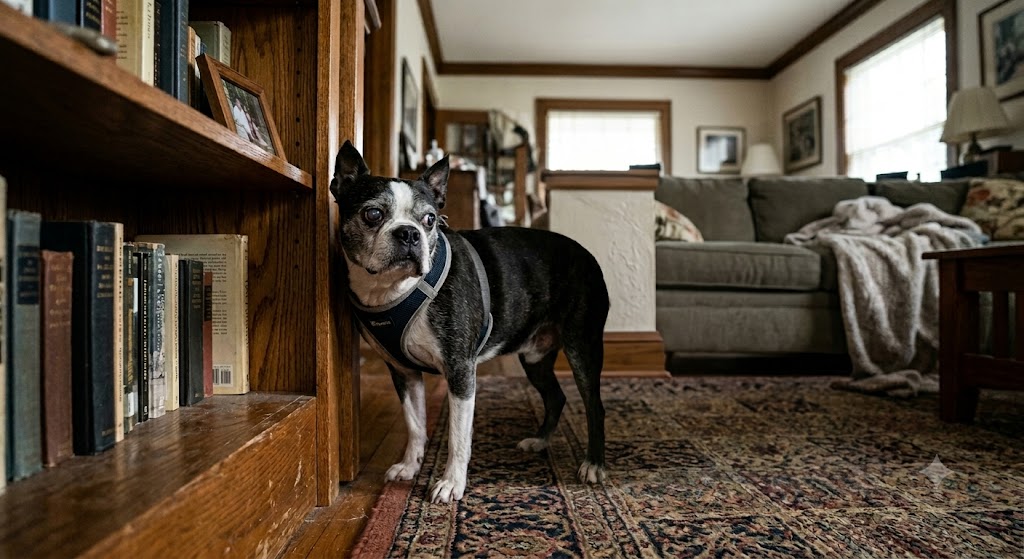
This kind of behavior can be one sign of disorientation. Some senior dogs get stuck in corners, behind furniture, near doors, or in spaces they once navigated easily. They may stand there as if confused by the barrier in front of them. The dog is not being stubborn; she may truly be unable to understand what she should do next.
Forgetfulness
Cricket also shows signs of forgetfulness. In one moment, she comes looking for Eileen and receives attention. Then, after moving only a short distance away, she seems to forget where Eileen is. She begins searching down the hallway and kitchen until Eileen appears again.
That kind of moment can be painful for a caregiver. The dog may still love her person, but her ability to track where that person went may change. Families may notice a senior dog wandering from room to room, searching for someone nearby, or acting surprised when the person reappears. Gentle reassurance can help more than correction.
Confusion
Eileen explained that Cricket once understood certain familiar routines, including waiting near a door when Eileen went into her office. Later, Cricket seemed confused by the door and then appeared to forget what she had been doing. Changes like that can make daily life feel unpredictable. A dog may seem fine one moment and lost the next.
Confusion can show up in small household routines. A dog may go to the wrong side of a door, stand near the hinges instead of the opening, stare at a wall, or seem unsure how to move through a familiar room. These moments deserve patience. The dog is not choosing to be difficult.
Walking in Circles
Some dogs with cognitive changes walk in circles or repeat the same path. Families may notice pacing around a room, circling before settling, or moving as if caught in a pattern. This can be tiring for the dog and worrisome for the caregiver. It may also be worse at night.
Circling should be discussed with a veterinarian. CCD can be one possible reason, but pain, neurological problems, ear disease, vision changes, anxiety, and other conditions may also affect movement. Making a video of your dog’s behavior to show your veterinarian can help them to understand what you are seeing. Try to record the pattern if you are able to do so.
A Dog with Dementia Can Still Have Happy Moments
One of the most comforting parts of Cricket’s video is that she is still happy at times. She still shows excitement at supper. She wags her tail and responds to the things she loves. Her body may be older, and her mind may be changing, but joy is still there.
That is an important reminder for families. A dog with dementia may have hard moments and good moments in the same day. She may be confused in the hallway but delighted at mealtime. She may wander at night but still relax during gentle brushing or brighten when a favorite person comes near.
Those moments do not erase the difficulty, but they do count for something. Caregivers can watch for the things that still brings comfort to their dog. Food routines, soft voices, warm beds, familiar scents, gentle touch, and quiet companionship may still reach the dog even when other things appear to be confusing.
Common Signs Families May Notice
Many veterinarians use the DISHAA framework to help organize common signs of cognitive dysfunction. DISHAA stands for disorientation, interaction changes, sleep-wake changes, housetraining changes, activity changes, and anxiety. Not every dog shows every sign. Some dogs begin with only one or two changes.
- Disorientation: Getting stuck, staring, seeming lost, or struggling with familiar spaces.
- Interaction changes: Acting clingier, more withdrawn, or less responsive to familiar people.
- Sleep-wake changes: Sleeping more during the day, pacing at night, or seeming restless after dark.
- Housetraining changes: Having accidents indoors after years of reliable habits.
- Activity changes: Wandering, pacing, becoming less interested, or seeming unusually restless.
- Anxiety: Acting worried, unsettled, vocal, or distressed in familiar situations.
The Purina Institute offers a DISHAA assessment tool that may help families organize what they are seeing before a veterinary visit. You can find it here: Purina Institute DISHAA assessment tool. A tool like this does not replace a veterinarian, but it can help you identify changes more clearly. Notes and videos are often very useful during appointments.
How to Support a Dog with Dementia at Home
Routine brings comfort to many senior dogs. Keep meals, walks, potty breaks, medications, and bedtime as steady as possible. Predictable patterns can lower stress because the dog does not have to guess what comes next. Even small changes in routine can be harder for a confused dog.
Make the home easier to navigate. Add soft night lights in hallways, near water bowls, and close to the sleeping area. Use non-slip rugs or runners on slick floors. Avoid rearranging furniture if your dog already has trouble finding her way.
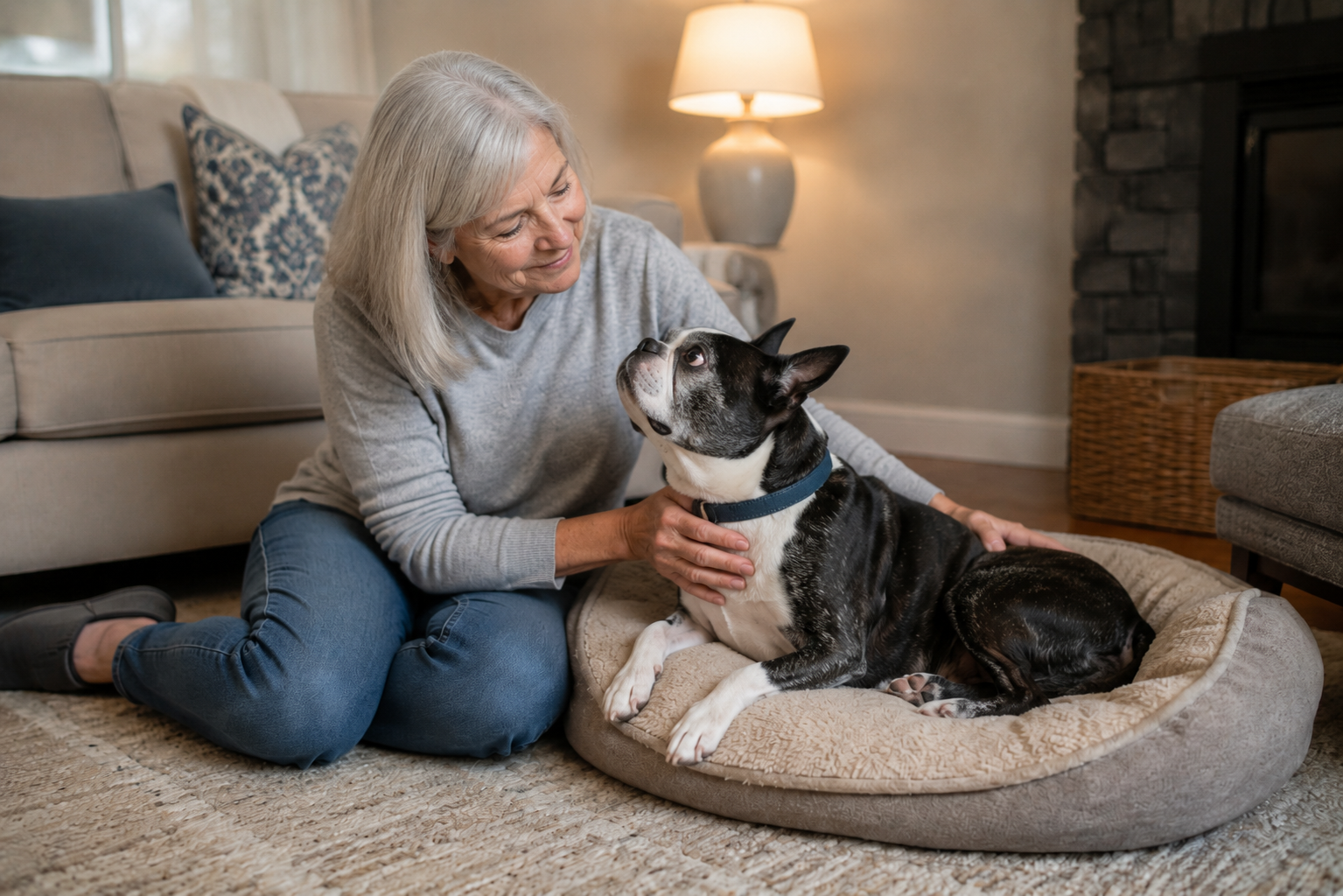
Create cozy rest zones in quiet places. A warm, padded bed can help an older dog rest more comfortably, especially if she has arthritis or stiffness. Some dogs do better with more than one safe resting place. That way, the dog does not have to travel far when she feels tired or unsure.
Gentle Enrichment Without Frustration
Enrichment can still be helpful for a dog with dementia, but it should be simple and kind. The goal is not to challenge the dog with complicated tasks. The goal is to offer small moments of interest, scent, taste, and connection. If an activity causes frustration, make it easier or stop.
- Scent sniffs: Scatter a few treats on a mat and let your dog use her nose.
- Foraging towels: Tuck treats into a loosely rolled towel so the search stays easy.
- Low-effort licks: Offer a lick mat with a thin smear of dog-safe food.
- Soft retrieval: Roll a soft toy a short distance and praise any interest.
- Tactile comfort: Use gentle brushing if your dog enjoys being touched.
Keep sessions brief. A few peaceful minutes may be better than a longer activity that wears the dog out. End on a successful note whenever possible. Calm praise can mean more than excitement for a senior dog who is easily overwhelmed.
Restful Nights and Calmer Evenings
Many dogs with cognitive changes struggle more at night, similar to something called “Sundowning” in They may pace, whine, wander, bark, or seem unable to settle. A calm evening routine can help some dogs understand that the day is winding down. It can also help the caregiver feel less helpless.
- Offer a late-evening potty break.
- Keep fresh water nearby.
- Use steady low lighting instead of sudden darkness.
- Try a white-noise machine to soften startling sounds.
- Keep bedtime steps short, calm, and predictable.
If your dog’s nighttime restlessness is new, severe, or worsening, talk with your veterinarian. Sleep changes can be part of CCD, but they can also reflect pain, urinary problems, anxiety, medication effects, or other health concerns. Our related article on why a dog can’t sleep at night may also help you think through possible causes. The most useful plan starts with knowing what is driving the behavior.
Medical Options to Discuss With Your Veterinarian
There is no single home fix for canine cognitive dysfunction. A veterinarian can help decide whether your dog’s signs fit CCD, another medical issue, or a combination of problems. Pain control, sleep support, anxiety management, and environmental changes may all be part of the plan. Your dog’s age, health history, and current symptoms should guide the choices.
- Medications: Selegiline, also known by the brand name Anipryl, may be discussed for some dogs with cognitive dysfunction.
- Supplements: Omega-3 fatty acids, SAMe, antioxidants, or other products may be considered under veterinary guidance.
- Diets: Some senior diets include brain-support nutrients such as MCT oils or antioxidants.
- Other health issues: Pain, anxiety, sleep problems, sensory loss, and urinary issues may need treatment too.
Never start medications, supplements, or major diet changes without veterinary guidance. Senior dogs often take more than one medication, and interactions can occur. What helps one dog may not be safe for another. Your veterinarian can help weigh benefits, risks, and realistic expectations.
Safety Checklist for Everyday Life
A confused dog may need more household safety support than she once did. She may wander, bump into things, slip, or become trapped in places that used to be easy. Small changes can reduce risk without making the home feel clinical. The goal is a safer version of the life she already knows.
- Secure doors, decks, stairs, pools, and gates.
- Add non-slip rugs or rug grips on slick floors.
- Use baby gates when stairs or rooms become risky.
- Keep identification on your dog at all times.
- Consider a GPS tag if wandering is a concern.
- Use a harness for steadier walks when appropriate.
- Keep water bowls easy to find.
- Schedule regular veterinary checkups as needs change.
Some families also find it helpful to keep a simple daily log. Note sleep, appetite, accidents, pacing, confusion, pain signs, and good moments. Patterns are easier to see when they are written down. These notes can also make veterinary conversations more productive.
Support for Caregivers
Caring for a dog with dementia can be emotionally heavy. You may feel tender, tired, guilty, frustrated, grateful, and sad in the same week. That does not mean you are failing. It means you love a dog whose needs have changed.
Give yourself grace. Short resets can help, even if they are simple. A cup of tea, a walk outside, a call with a friend, or a few quiet minutes can make caregiving feel less lonely. You do not have to carry every hard moment without support.
Share tasks when possible. Another family member may be able to handle a late potty break, wash bedding, prepare food, or sit with the dog while you rest. Caregiving is easier when the whole burden does not fall on one person. Your dog benefits when the caregiver is supported too.
Quality-of-Life Conversations
Quality-of-life conversations are hard, but they can be loving. They help families look at comfort, joy, pain, sleep, appetite, mobility, confusion, anxiety, and engagement over time. One difficult day may not tell the whole story. Repeated patterns matter more than a single moment.
Ask your veterinarian how to evaluate quality of life for your dog. Some families use quality-of-life scales to make the conversation less vague. Others keep notes about good days, hard nights, appetite, accidents, and signs of discomfort.
Planning ahead can reduce panic during a crisis. Having an idea of what level quality of life is acceptable vs what is not, before you get that point can make that process easier.
These conversations do not mean you are giving up. They mean you are paying attention. A dog with dementia may still have joyful days, but she also depends on her family to notice when life is becoming too frightening, painful, or confusing. Love includes both hope and honesty.
Cricket’s Comfort Rituals
Cricket’s comfort came through simple, familiar things. Soft lighting could make nighttime easier. A warm bed in a favorite corner could help her rest. Gentle attention helped her feel connected when the world seemed confusing.
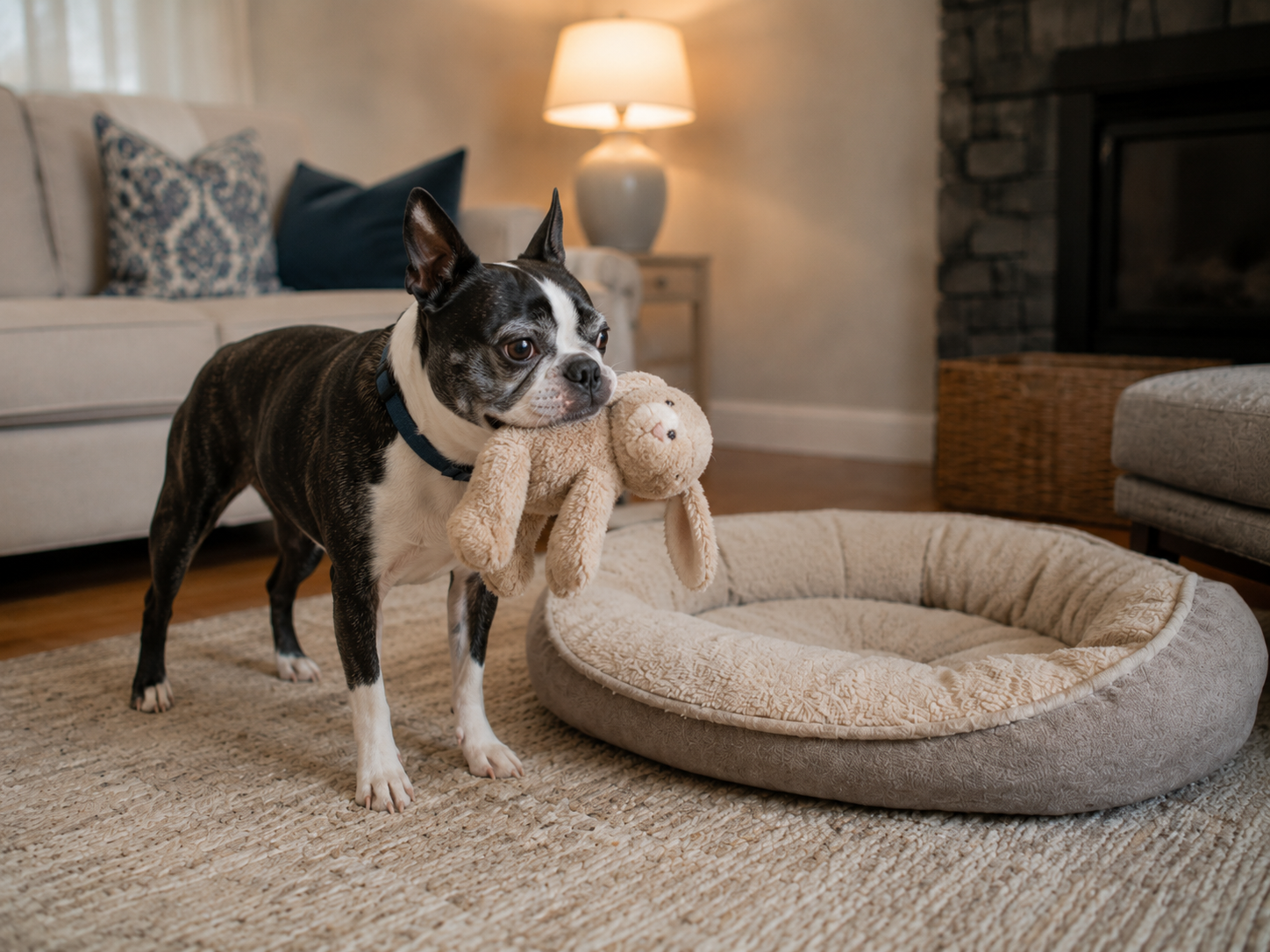
Many dogs with dementia benefit from similar comforts. A familiar blanket, a steady mealtime, a safe path to water, and a calm voice can be powerful. These are not dramatic changes. They are small acts of love repeated every day.
Cricket’s family took each day as they came. Some days called for more help. Some moments called for quiet watching. The goal was not perfection; it was kindness.
Cricket’s Legacy
Cricket’s story teaches patience, presence, and tenderness without turning her into a diagnosis. Dementia changed parts of her life, but it did not erase her personality. She still had moments of joy. She still had people who saw her clearly and loved her well.
Many families now walk a similar path with a beloved senior dog. They learn to celebrate small wins, adjust routines, and hold close the moments that still sparkle. That may be a tail wag at supper, a peaceful nap, or the way a dog still leans into a familiar hand. Those are important moments.
A dog with dementia needs safety, patience, comfort, and veterinary care . So does the person caring for her. Cricket’s legacy is not that she showed signs of CCD. It is that she showed how love can remain gentle, faithful, and present even during difficult times.
Quick-Start Care
- Keep consistent routine times for meals, walks, medications, and bedtime.
- Add night lights in hallways and near water bowls.
- Use non-slip rugs or rug grips on slick floors.
- Provide warm, padded beds in safe, quiet spaces.
- Use gentle scent games and short enrichment sessions.
- Ask your veterinarian about medical, dietary, and supplement options.
- Track sleep, appetite, accidents, confusion, pain signs, and good moments.
- Share caregiving tasks when possible.
Sources and Helpful Resources
- Eileen Anderson: Cricket’s canine cognitive dysfunction symptoms video
- Cornell Richard P. Riney Canine Health Center: Cognitive dysfunction syndrome
- Cornell Richard P. Riney Canine Health Center: Senior dog dementia
- VCA Animal Hospitals: Selegiline for cognitive dysfunction
- Purina Institute: DISHAA assessment tool
Editor’s Note: This article was updated and expanded for clarity, accuracy, and caregiver usefulness. It is not a substitute for veterinary care. If your senior dog seems confused, restless, anxious, painful, or unlike herself, contact your veterinarian.
Amazon Affiliate Disclosure: As an Amazon Associate, Happy Mutt may earn from qualifying purchases. This does not change the price you pay.
Photo Credit: All images © Sloan Digital Publishing and licensed stock sources. Used with permission.


TristA
This was very interesting to me. I have an aging dog and have noticed a lot of changes in his life. I have never thought about mental issues in a dog before this article. It seems as though you have provided cricket a great place to live and be loved. Kudos!
Susan Sloan
Dogs have many physical and mental problems that are similar to those of humans. Most people are not aware of this and overlook issues that could be treated. Many of our articles are written to help remedy this lack of awareness and to help dogs live longer and healthier.
Laurie
This was a very interesting post. It was great to see how the mental issues were handled. I knew dogs could have mental symptoms but I never really thought about them having actual dementia before.
Susan Sloan
Dogs have many physical and mental problems that are similar to those of humans. Most people are not aware of this and overlook issues that could be treated. Many of our articles are written to help remedy this lack of awareness and to help dogs live longer and healthier.