Unfortunately, allergies to dogs occur when the immune system reacts to proteins found in a dog’s dander (dead skin flakes), saliva, or urine. Basically, these proteins, called allergens, can trigger allergic reactions in susceptible individuals. But, symptoms of dog allergies can vary from mild to severe and may include the following.


Photo courtesy of Dreamstime
Sneezing
Firstly, one of the most common symptoms of dog allergies is sneezing, especially when exposed to dog dander or saliva.
Runny or stuffy nose
Allergic reactions to dogs can cause nasal congestion, a runny nose, or post-nasal drip.
Itchy, watery eyes
Unfortunately, dog allergies can lead to itchy, red, and watery eyes, similar to symptoms of hay fever (allergic rhinitis).
Coughing or wheezing
Additionally, some people with dog allergies may experience coughing, wheezing, or shortness of breath, especially if they have asthma.
Skin reactions
Frequently. skin contact with dog allergens can cause redness, itching, or hives in sensitive individuals.
Difficulty breathing
Although severe allergic reactions (anaphylaxis) to dog allergens are rare, they can cause difficulty breathing, chest tightness, and even life-threatening symptoms.
Some Breeds Are Less Likely To Trigger Allergies
While the following breeds tend to shed less, no dog is completely hypoallergenic, and individual dogs may vary. Regular grooming and maintenance are still necessary to keep their coats healthy and minimize shedding. Here’s a breakdown based on coat length, along with brief information about each breed.
Breeds with Longer Hair
Afghan Hound
Afghan Hounds are elegant and regal dogs known for their unique appearance and graceful movement. They have a long, silky coat that requires regular grooming but, surprisingly, sheds minimally. Because Afghan Hounds are independent yet affectionate companions, they are often described as cat-like in their behavior.
Bichon Frise
Bichon Frises are small, cheerful dogs known for their playful and affectionate nature. They have a fluffy, white coat that resembles cotton, which is hypoallergenic and typically doesn’t shed much. Bichons are great companions and thrive on human interaction, making them excellent family pets.
Coton de Tulear
Coton de Tulears are small, fluffy dogs with a cotton-like coat that is hypoallergenic and doesn’t shed much. They are affectionate, playful dogs known for their clownish behavior and love for their families. Cotons thrive on companionship and make great therapy dogs.
Lagotto Romagnolo
Lagotto Romagnolos are medium-sized dogs originally bred as water retrievers in Italy. They have a dense, curly coat that is hypoallergenic and sheds minimally. Lagotti are affectionate, intelligent dogs known for their keen sense of smell and proficiency in truffle hunting.
Maltese
Maltese dogs are tiny and adorable with their long, silky white coats. Despite their glamorous appearance, Maltese are sturdy and lively dogs. They are affectionate, gentle, and make wonderful lap dogs. Their hypoallergenic coat requires regular grooming to prevent matting.
Shih Tzu
Shih Tzus are charming little dogs with a distinct appearance, characterized by their long, flowing coats and friendly demeanor. They are affectionate, outgoing, and great with families. Shih Tzus’ coats are hypoallergenic but require regular grooming to maintain their luxurious look.
Yorkshire Terrier
Yorkshire Terriers, or Yorkies, are small but confident dogs with a big personality. They have a long, silky coat that is hypoallergenic and requires regular grooming. Yorkies are spirited, affectionate companions that thrive on attention and make excellent watchdogs.
Portuguese Water Dog
Portuguese Water Dogs are medium-sized, athletic dogs originally bred to assist fishermen. They have a curly, waterproof coat that sheds minimally and is considered hypoallergenic. Portuguese water dogs are intelligent, loyal, and excel in various activities like water sports and obedience.
Havanese
Havanese are cheerful and affectionate dogs with a silky, wavy coat that is hypoallergenic and sheds minimally. They are known for their playful nature and love to entertain their families. Havanese are highly adaptable and thrive in various living situations, from apartments to large homes.
Soft Coated Wheaten Terrier
Soft Coated Wheaten Terriers are medium-sized dogs with a soft, silky coat that comes in shades of wheaten. Thankfully, they have a hypoallergenic coat that requires regular grooming to prevent matting. Wheaten Terriers are playful, affectionate dogs that make great family pets.
Tibetan Terrier
Tibetan Terriers are medium-sized dogs with a long, double coat that is hypoallergenic and typically doesn’t shed much. They are affectionate, outgoing dogs that are known for their loyalty and intelligence. Tibetan Terriers thrive on human companionship and make excellent family pets.
Bedlington Terrier
Bedlington Terriers are known for their resemblance to a lamb with their curly, woolly coat and distinctive topknot. They have a hypoallergenic coat that sheds minimally and requires regular grooming. Bedlingtons are affectionate, playful dogs that are also known for their speed and agility.
Chinese Crested
Chinese Cresteds come in two varieties: hairless and powder puff. The Hairless variety has soft, hypoallergenic skin with hair only on certain parts of the body, while the Powderpuff variety has a long, silky coat. Chinese Cresteds are affectionate, entertaining companions known for their playful antics.
Irish Water Spaniel
Irish Water Spaniels are medium- to large-sized dogs known for their curly, waterproof coat and excellent swimming abilities. They have a hypoallergenic coat that requires regular grooming to prevent matting. Irish Water Spaniels are intelligent, energetic dogs that thrive on outdoor activities and make loyal family pets.
Italian Greyhound
Italian Greyhounds are small, slender dogs known for their elegant appearance and gentle nature. They have a short, hypoallergenic coat that requires minimal grooming. Italian Greyhounds are affectionate, sensitive dogs that form strong bonds with their families.
Kerry Blue Terrier
Kerry Blue Terriers are medium-sized dogs with a soft, dense coat that is hypoallergenic and typically doesn’t shed much. They are spirited, intelligent dogs known for their loyalty and affectionate nature. Kerry Blues excel in various dog sports and activities and make devoted family pets.
West Highland White Terrier
West Highland White Terriers, or Westies, are small but sturdy dogs known for their distinctive white coat and lively personality. They have a hypoallergenic coat that requires regular grooming. Westies are confident, affectionate dogs that make loyal companions and are known for their strong prey drive.
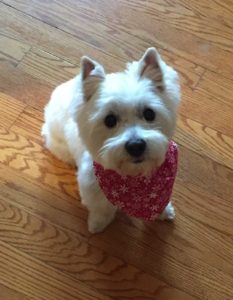
No allergies to our Westie! Photo from family album
Breeds with Shorter Hair
Poodlem
Poodles are intelligent and elegant. They come in three sizes: Toy, Miniature, and Standard. Poodles have a curly, hypoallergenic coat that doesn’t shed much, making them a popular choice for allergy sufferers. They are also highly trainable and excel in various dog sports like obedience, agility, and even hunting.
Schnauzer
Schnauzers come in three sizes: Miniature, Standard, and Giant. They are characterized by their distinctive beard and eyebrows. Schnauzers have a wiry, hypoallergenic coat that requires regular grooming. They are intelligent, spirited dogs that make loyal companions and excel in various dog sports and activities.
Basenji
Basenjis are small, agile dogs known for their distinctive yodel-like vocalizations and independent nature. They have a short, hypoallergenic coat that requires minimal grooming. Basenjis are intelligent, energetic dogs that thrive on mental and physical stimulation.
Chinese Crested
Chinese Cresteds come in two varieties: hairless and powder puff. The Hairless variety has soft, hypoallergenic skin with hair only on certain parts of the body, while the Powderpuff variety has a long, silky coat. Chinese Cresteds are affectionate, entertaining companions known for their playful antics.
This division is based on the general characteristics of the breeds’ coats. Keep in mind that individual dogs within these breeds may vary in coat length and texture. Additionally, some breeds, like the Chinese Crested, have both hairless and powderpuff varieties, so they are listed in both groups.
You may find photos of many of these breeds in this article. https://www.akc.org/dog-breeds/hypoallergenic-dogs/
Grooming Products to Reduce Allergens That Cause Humans to Have Allergies
While grooming alone won’t completely eliminate allergens, it can help reduce them. Here are some grooming products and practices that can be helpful in managing allergens:
Hypoallergenic Shampoos
Using hypoallergenic shampoos specifically formulated for dogs can help reduce dander and allergens on their skin and coat. These shampoos are often gentle and designed to minimize irritation.
Frequent Bathing
Regular bathing can help remove dander and allergens from your dog’s coat. However, it’s essential not to over-bathe, as excessive bathing can strip the skin of its natural oils and lead to dryness and irritation. Consult with your veterinarian to determine an appropriate bathing schedule for your dog’s breed and skin type.
Grooming Tips
Grooming Tools
Investing in high-quality grooming tools, such as brushes and combs designed to remove loose hair and dander, can be beneficial. Look for tools specifically labeled as hypoallergenic or designed to minimize shedding and allergens.
Regular Grooming Sessions
Schedule regular grooming sessions for your dog to maintain their coat and overall hygiene. Professional groomers can help with tasks like trimming, nail clipping, and ear cleaning, which can contribute to your dog’s comfort and reduce allergen buildup.
Allergen Sprays
Some pet-specific allergen sprays are available on the market, designed to neutralize allergens on your pet’s coat between baths. Apply these sprays to your dog’s coat which may help reduce allergen levels in your home.
Additional Tools to Minimize Allergies
HEPA Vacuum Cleaner
Using a vacuum cleaner equipped with a HEPA (High-Efficiency Particulate Air) filter can help capture and trap allergens from your home’s surfaces, including carpets, rugs, and furniture. Regular vacuuming, especially in areas where your dog spends a lot of time, can help reduce allergen levels. Here is a link for a HEPA vacuum cleaner. https://amzn.to/3vYnQFw
Air Purifiers
Consider using an air purifier with a HEPA filter to help remove airborne allergens, including pet dander, from your home’s indoor air. Place the air purifier in rooms where your dog spends the most time to help maintain cleaner air quality. Here is a link to a air purifier with a HEPA filter. https://amzn.to/3vYnQFw
Washable Bedding
Provide your dog with washable bedding, such as blankets or covers, for their bed, crate, or favorite lounging spots. Regularly washing bedding in hot water can help remove allergens and keep it clean and fresh. Here is a link to washable bedding. https://amzn.to/3vYqCKU
Dietary Supplements
Certain dietary supplements, such as omega-3 fatty acids, can help promote healthy skin and coat in dogs. Consult with your veterinarian to determine if adding supplements to your dog’s diet may be beneficial for reducing shedding and dander. Here is a link to a supplement to reduce shedding. https://amzn.to/446XFca
Remember that while these grooming practices and products can help manage allergens, they are part of a comprehensive approach to allergy management. It’s essential to work closely with your healthcare provider to develop an individualized plan for managing allergies effectively. Here is a link to a product designed to help decrease shedding. https://amzn.to/3Jw7FSI
Why It Is Important to Deal With Dog Allergies in Children
Being allergic to dogs can present unique challenges for children, both physically and psychologically. Here are some psychological issues that a child who is allergic to dogs may face.
How To Combat Allergies
Allergy shots, also known as allergen immunotherapy, are a medical treatment option for individuals with dog allergies who want to reduce their symptoms and increase tolerance to dog allergens. Basically, here’s how allergy shots work and other medical options to help manage dog allergies.
Allergy Shots (Immunotherapy)
Allergy shots involve regular injections of small amounts of dog allergens under the skin. Over time, this exposure helps desensitize the immune system to the allergen, reducing the severity of allergic reactions. Typically, allergists administer allergy shots in a series of escalating doses.
The frequency of injections is gradually decreased over time. It may take several months to years to achieve noticeable improvement in symptoms, and treatment duration varies depending on individual response.
Sublingual Immunotherapy (SLIT)
Sublingual immunotherapy is a newer alternative to allergy shots that involves placing drops or tablets containing allergen extracts under the tongue. Like allergy shots, SLIT works by desensitizing the immune system to specific allergens, including dog allergens. SLIT is not as commonly used as allergy shots for dog allergies. However, it may be an option for some individuals, especially those who prefer a non-invasive treatment method.
Antihistamines
Over-the-counter or prescription antihistamines can help relieve symptoms such as sneezing, itching, and runny nose associated with dog allergies. Basically, antihistamines work by blocking the effects of histamine, a chemical released by the immune system in response to allergen exposure. Although antihistamines can help alleviate symptoms, they do not address the underlying immune response to dog allergens.
Nasal Corticosteroids
Nasal corticosteroid sprays are prescription medications that help reduce inflammation and alleviate symptoms such as nasal congestion and runny nose associated with dog allergies. These sprays work by decreasing swelling in the nasal passages and reducing the production of mucus. Nasal corticosteroids are used on a regular basis for the long-term management of allergic rhinitis (hay fever) symptoms.
Decongestants
Over-the-counter or prescription decongestants can help relieve nasal congestion associated with dog allergies by narrowing blood vessels in the nasal passages. Decongestants are available in oral or nasal spray forms and can provide temporary relief from congestion symptoms. Because long-term use can lead to rebound congestion and other side effects, you should use corticosteroids with caution and for short-term use only.
Leukotriene Modifiers
Leukotriene modifiers are prescription medications that help reduce inflammation. Additionally, they alleviate symptoms such as nasal congestion, runny nose, and sneezing associated with allergic rhinitis. Because these medications work by blocking the action of leukotrienes, chemicals produced by the immune system in response to allergen exposure. Leukotriene modifiers are an alternative or adjunct treatment to other allergy medications.
It’s essential to work closely with a healthcare provider, preferably an allergist or immunologist. They can determine the most appropriate treatment plan for managing dog allergies based on individual symptoms, medical history, and treatment goals. Options for individuals with severe or persistent allergic reactions to dogs may be recommended individually or in combination. Basically, these options are medication and/or allergen immunotherapy.
Finally, here is more information about allergies.
https://happymutt.org/canine-seasonal-allergies-101/
This post may contain affiliate links. If you click on a link and make a purchase I may receive a commission. Thank you for supporting this site.