
As a dog owner, you want your furry companion to be happy and healthy. While you may be diligent about providing food, exercise, and love, the importance of dental care for dogs is often overlooked.

Just like humans, dogs can suffer from dental disease and its associated health problems. In fact, neglecting your dog’s dental care can lead to more serious medical issues, Some of these issues include infections, heart disease, and kidney disease.
In this blog post, we will explore why dental care for dogs is essential. We will also discuss the potential consequences of dental disease and how to prevent and treat it.
The Importance of Dental Care for Dogs:
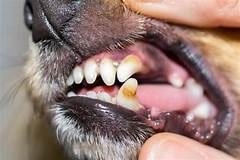
Dental care is not just about fresh breath and clean teeth. It is an essential part of your dog’s overall health and well-being. Proper dental hygiene can help prevent dental disease, which is a common condition in dogs. Dental disease can cause a range of problems, from bad breath and tooth loss to pain, infections, and even systemic health issues. By taking care of your dog’s teeth and gums, you can help reduce the risk of these problems and improve their quality of life.
The Consequences of Dental Disease:
Untreated dental disease in dogs can have serious consequences for their health. The bacteria that thrive in the mouth and gums can enter the bloodstream and travel to other parts of the body, such as the heart, lungs, liver, and kidneys.
This can lead to infections, inflammation, and organ damage. In particular, dental disease is a risk factor for heart disease, as the bacteria can cause damage to the heart valves and tissues. Symptoms of heart disease in dogs may include coughing, difficulty breathing, and lethargy.
Preventing and Treating Dental Disease:
The good news is that dental disease in dogs is largely preventable with proper care and attention. Regular dental hygiene practices are vital to the good health of your dog. Hygiene habits that can help maintain good dental health in your dog are as follows.
- brushing your dog’s teeth,
- providing dental chews or toys, https://amzn.to/3meSTI8
- and scheduling routine dental cleanings with your veterinarian
Additionally, feeding a healthy diet and avoiding sugary or starchy treats can also help prevent dental disease in dogs. If your dog already has dental disease, your veterinarian may recommend a treatment plan. This plan can include such things as the following.
- antibiotics to clear the infection,
- dental cleaning,
- and in severe cases, surgery to address any structural issues in the heart or other organs.
Dental Care in Dogs Includes Brushing Their Teeth
To brush a dog’s teeth, you will need a toothbrush and toothpaste formulated specifically for dogs. Here are the steps to follow:
- Let your dog sniff and taste the toothpaste to get them used to the taste.
- Gently lift your dog’s lip and start brushing the teeth in a circular motion using the toothbrush and toothpaste.
- Focus on the outer surfaces of the teeth and the back molars, as these areas tend to accumulate the most plaque and tartar.
- Be gentle and take breaks if your dog becomes uncomfortable or stressed.
- Reward your dog with praise or a treat afterwards to make the experience more positive.
It may take some time and patience to get your dog used to having their teeth brushed, but with practice and consistency, it can become a routine part of their dental care.
How often should a dog’s teeth be brushed?
Ideally, you should brush your dog’s teeth daily to maintain good dental hygiene and prevent dental disease. However, if that is not possible, aim for at least 2-3 times per week. Realistically, most people do not brush their dog’s teeth this often. Using dog chews and toys on the other days can help keep your dog’s teeth reasonably clean.
You can find dog cleaning kits and individual components of those kits online. One such example can be found at: https://amzn.to/3mp9edj
It is also important to schedule routine dental cleanings with your veterinarian. The schedule should be based on your dog’s individual needs and risk factors.
Conclusion:
Taking care of your dog’s dental health is an important part of being a responsible pet owner. You must pay attention to their teeth and gums and provide them with the care they need. In this way, you prevent dental disease and its associated health problems.
Remember to schedule regular check-ups with your veterinarian to further ensure your dog’s overall health and well-being. Your furry friend will thank you with a healthy, happy smile.
Photos Courtesy of Pixabay
Disclosure: Please note that some of the links on this blog are affiliate links. This means that I may earn a small commission at no additional cost to you if you make a purchase through those links. Rest assured, this does not affect the price you pay for the product or service. I only recommend products and services that I genuinely believe in and have personally tried or researched. Your support through these affiliate links helps me continue to provide valuable content. Thank you for your understanding and support!