Most of us treat our dogs as members of our family and we want to take them with us on family travels. Traveling with our dogs is not always a walk in the park. However, ensuring our dogs’ safety while traveling is vital.

Dog safety while traveling.
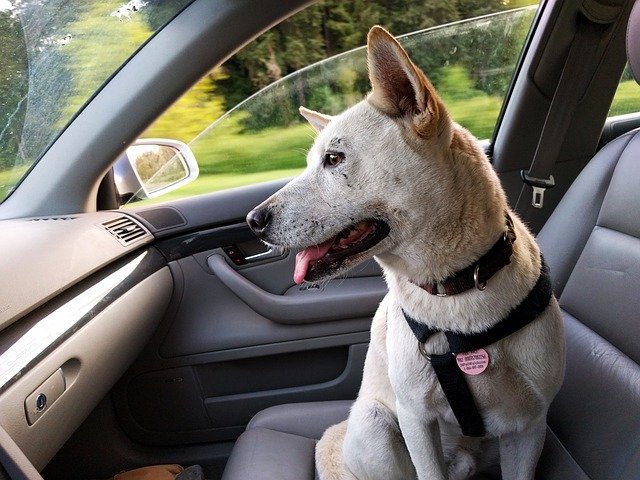
MarPockStudios (CC0), Pixabay
The following are the best ways and devices to keep your dog safe in the car.
- Use a dog seat belt
The use of a dog seat belt is one great way to keep your dog in one place. A doggy seat belt is an excellent idea not just for your dog but for you and the other passengers as well. It minimizes distractions while driving. A canine car seat is also an option. However, make sure that you choose the most suitable car seat for your dog. Consider your dog’s size and its behavior during travel. Ensure that you buy the doggy seat belt or car seat that will allow your dog to move and breathe freely. - Right feeding time
Just like all humans, dogs feel uncomfortable when they travel with a full stomach. Thus, it is essential that you feed them at least an hour before travel time. With this, you will decrease the chances of your dog having motion sickness during travel. Make sure you also bring some of the following items to make your dog feel more comfortable while on the road;
a. spill-proof water bowl
b. Dog bed
c. Dog blanket
d. dog medications
e. dog toys for entertainment - Make sure your dog has complete vaccines
Vaccines not only protect your dog, but they also ensure the protection of people and other animals. So, before traveling, it is best that your dog’s vaccines are up to date and complete. - Secure the contact information of veterinarians in the location which you will visit
It is best that you are ready with whatever unwanted event may occur to your dog. Thus, it is vital that you have the contact information of the local veterinarians. Doing this will allow you to feel more relaxed during your trip knowing that you have someone to call during emergencies. - Consult your veterinarian first
Days, or even weeks, before your travel time make sure your veterinarian is aware of your travel plans. There may be required vaccinations in some areas or they may be aware of illnesses to which your dog may be exposed. With this information, your veterinarian can give you the needed tips to help you ensure your dog’s safety. Also, you will get a recommendation on the best things and medicines to bring.
All the tips discussed above are guides that will make your travel more enjoyable for both you and your dog. Make sure that you keep these things in mind for your dog’s protection.
Our two cents on the matter
Traveling with your dog is such a fun and memorable experience. If you take the necessary steps, you will avoid any incidents from ruining it. Follow all the recommended steps here, and we predict a hassle-free vacation for you and your dog. Don’t forget to take your camera to capture the wonderful trip you and your canine buddy will be sure to have. If you ensure your dogs’ safety while traveling, the chances of you having a great trip will be much greater.
Photos Courtesy of Pixabay